Featured

La Cenerentola

Barns at Wolf Trap • Saturday, June 27, 2026 • 7:30 p.m.

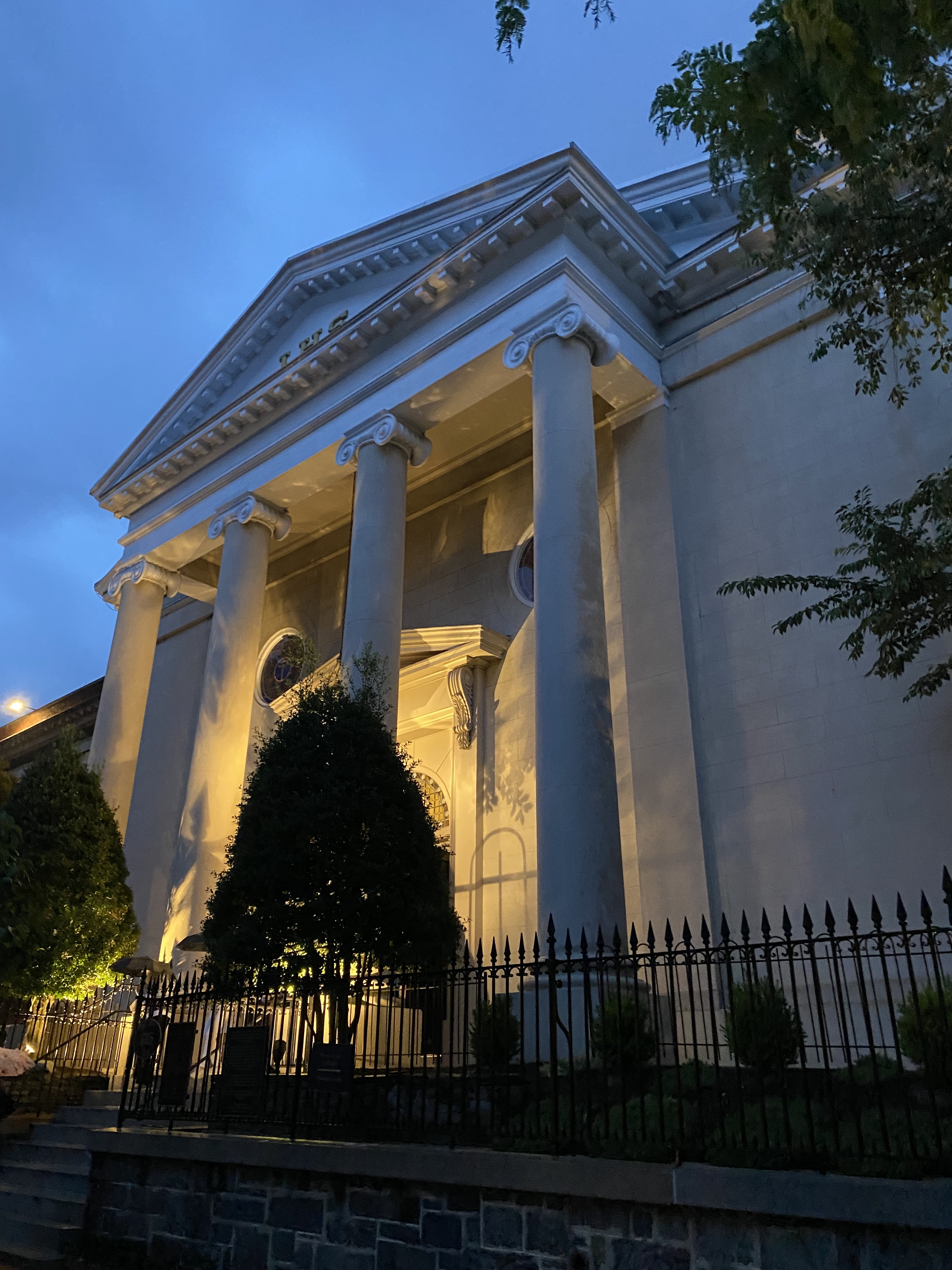
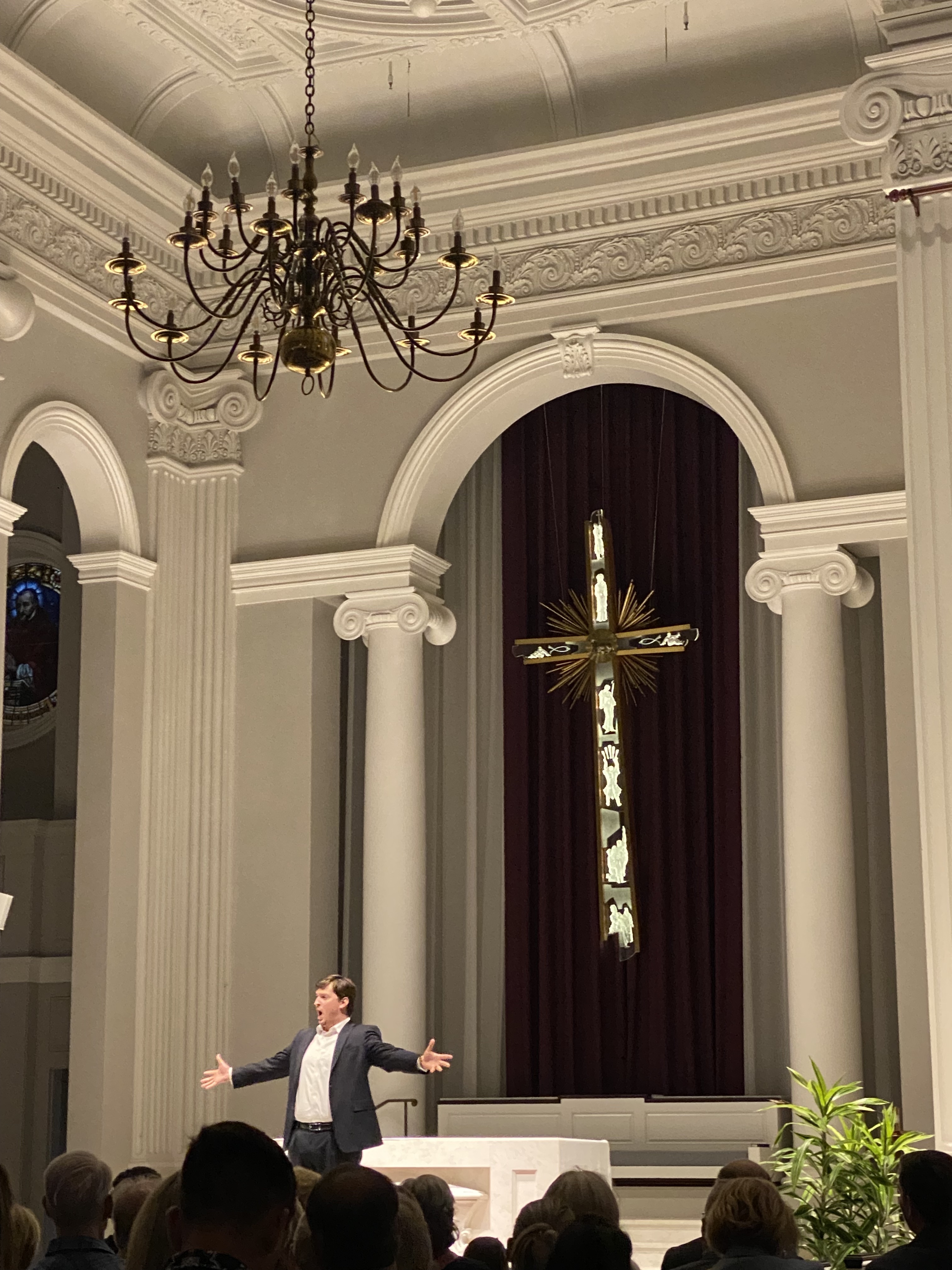
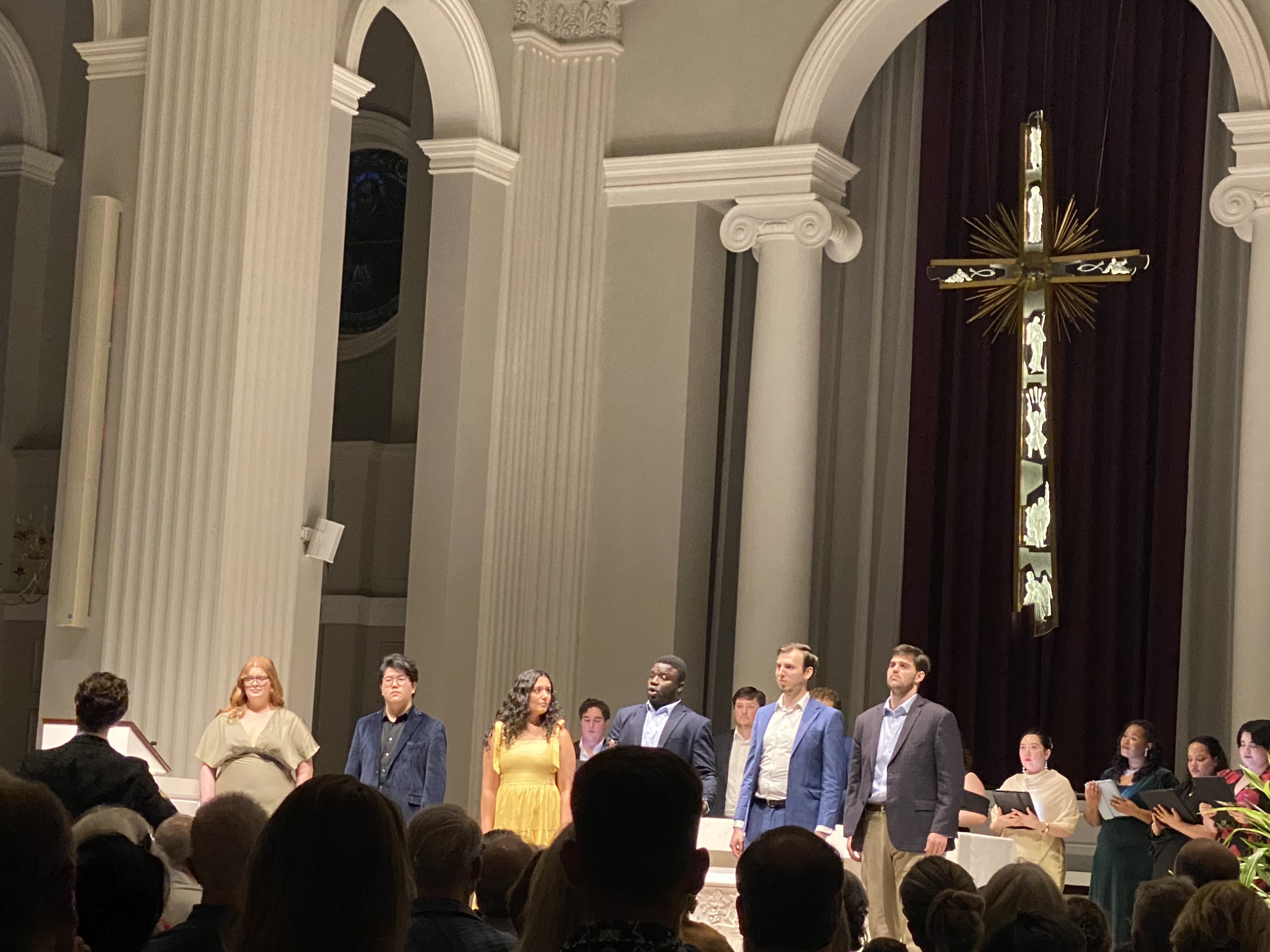
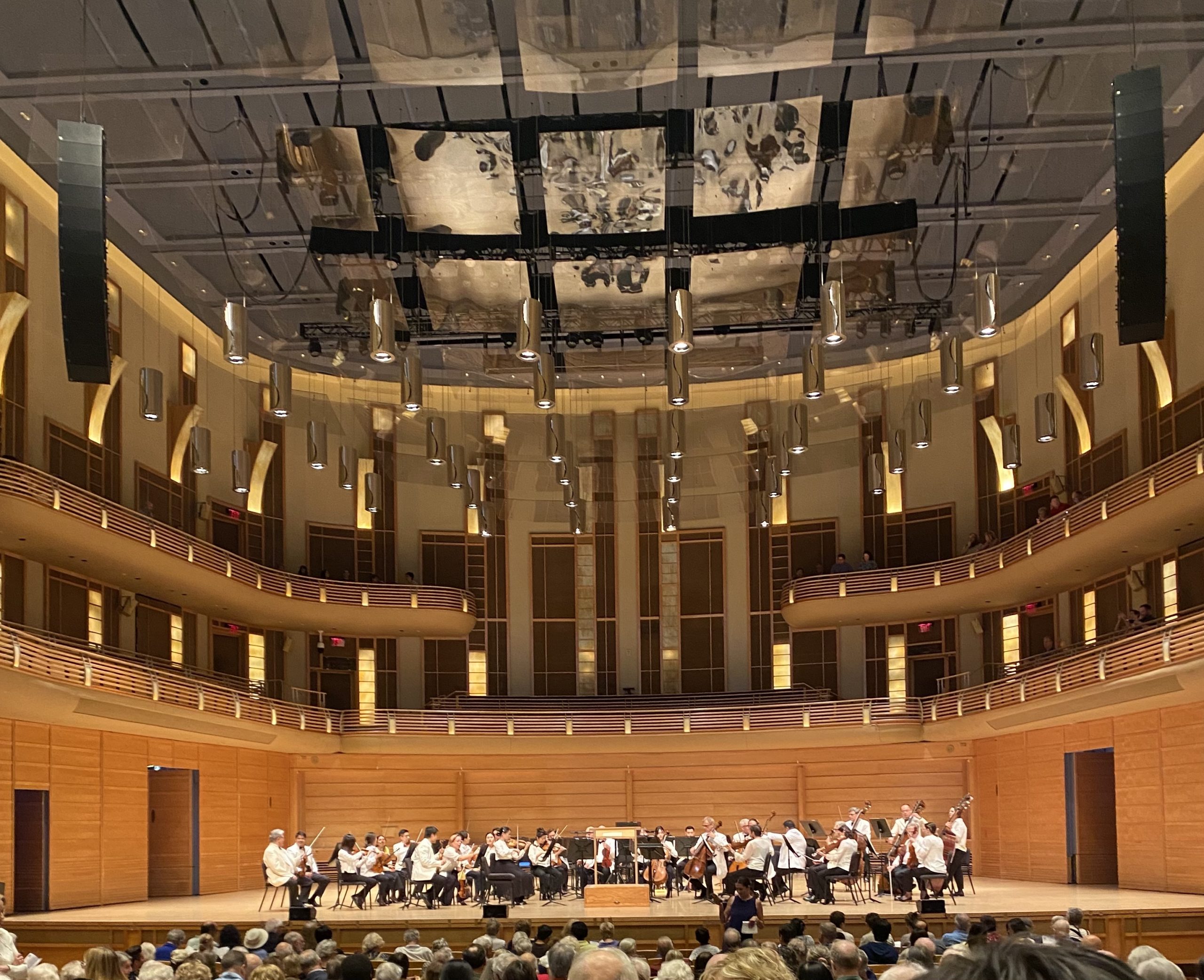
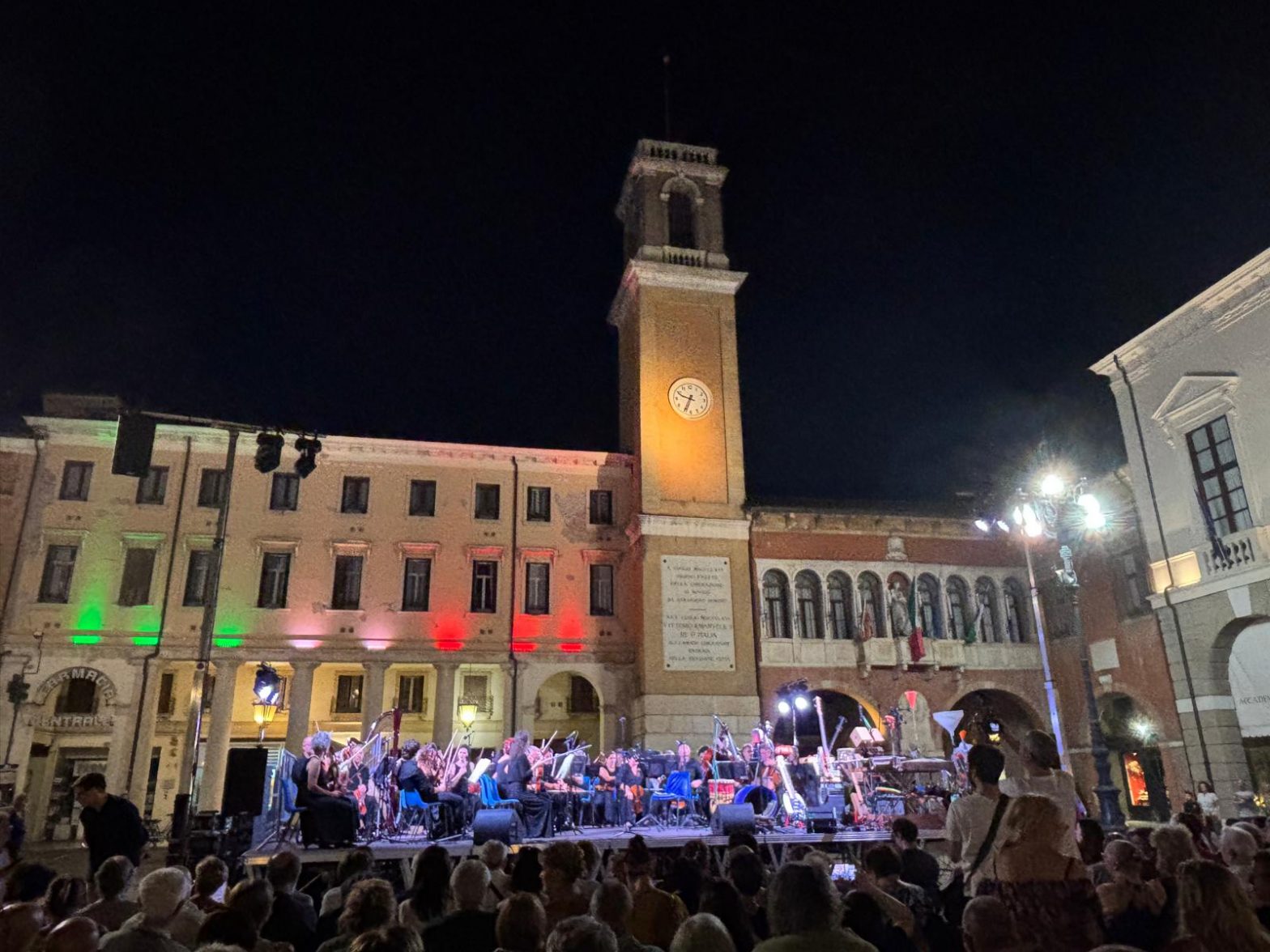
As we head towards American 250, I will concede that the Barns at Wolf Trap might be an appropriate setting for Rossini’s La Cenerentola, although I’d have preferred the Kennedy Center. Part of the larger Wolf Trap complex, the performance took place in a converted barn whose scale suited Rossini’s madcap opera well. From an upstairs seat, the entire stage remained in view, and the room was small enough that no one seemed far from the action.

Before the curtain, my seat-neighbor introduced herself as a former singer who now works with the regional branch of the Metropolitan Opera Laffont young artist competitions. She pointed out that Angel Raii Gomez, the principal tenor (Prince Ramiro), was a singer who had come through the program, a reminder that the production serves as a showcase for emerging talent. The two patrons seated beside us quietly departed during intervallo and did not return, leaving us an empty row for the remainder of the evening.

The production was, mercifully, traditional. The costumes suggested the nineteenth (or at least early twentieth) century, and there was no attempt to relocate the story into a modern setting or surround the singers with video screens or conceptual symbolism — sadly not the case for the numerous Mozart performances I saw in 2020 at Brussels’ otherwise-magisterial La Monnaie. For those accustomed to stage directors who want to upstage composers and singers, common to northwestern Europe, a welcome change.

In our American case, the director and cast only erred by pursuing comedy a bit too enthusiastically. As I remarked to my seat mate, well, it is an opera buffa, and opera need not conform always to La Scala’s ominous black-cloaked ushers. But after one too many episodes of exaggerated facial expressions, corny dances, and slapstick during an otherwise stunning aria I grew weary. (I believe it was during Raii Gomez’s rendition of “Si ritrovarla io giuro” that I really felt the clowning of the male chorus was a detraction.) Rossini leaves room for humor, but the staging often seemed reluctant to trust either the libretto or the score. A lighter approach would have allowed the comedy to emerge on its own.

The singing carried the evening. The cast was consistently strong, particularly the principal bass, whose voice anchored every ensemble in which he appeared. The company reflected opera’s international character, with singers from a variety of backgrounds sharing the stage. Once the music began, biography became irrelevant.

Wolf Trap itself proved part of the evening’s appeal. Located just off one of Northern Virginia’s busiest highways, it nevertheless feels removed from the surrounding suburbs. Arriving well before the 7:30 curtain left time to walk the grounds, where patrons lingered over dinner before making their way to the Barns. The audience was casually but neatly dressed, giving the evening the atmosphere of a summer festival rather than a formal gala.

As a first visit to the Barns, the evening was an introduction worth making. The production occasionally mistook quantity of comedy for comic timing, but Rossini’s score was served by a strong young cast in a venue that suits chamber-scale opera well. I left thinking less about the staging than about returning for another performance — which I may do if I can get a ticket for Evgeny Onegin next month.

Filarmonica della Scala

Prova Aperta

March 8, 2009

Originally published in Pinball People, March 2009, and re-posted here.

Carl Maria von Weber

Oberon, Ouverture

Felix Mendelssohn-Bartholdy

Concerto in E minor, opus 64 for violin and orchestra

Robert Schumann

Symphony no. 4 in D minor, opus 120

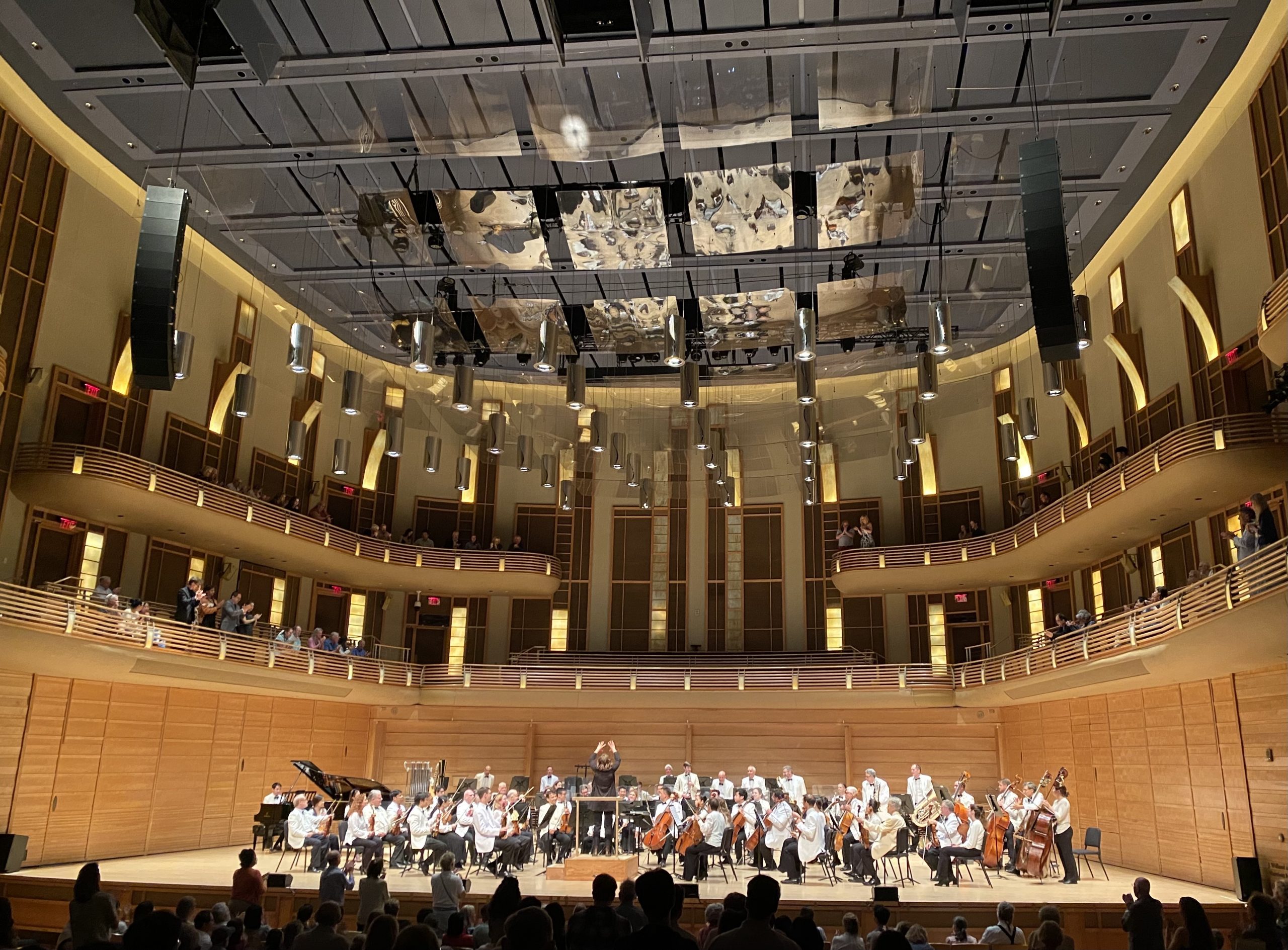
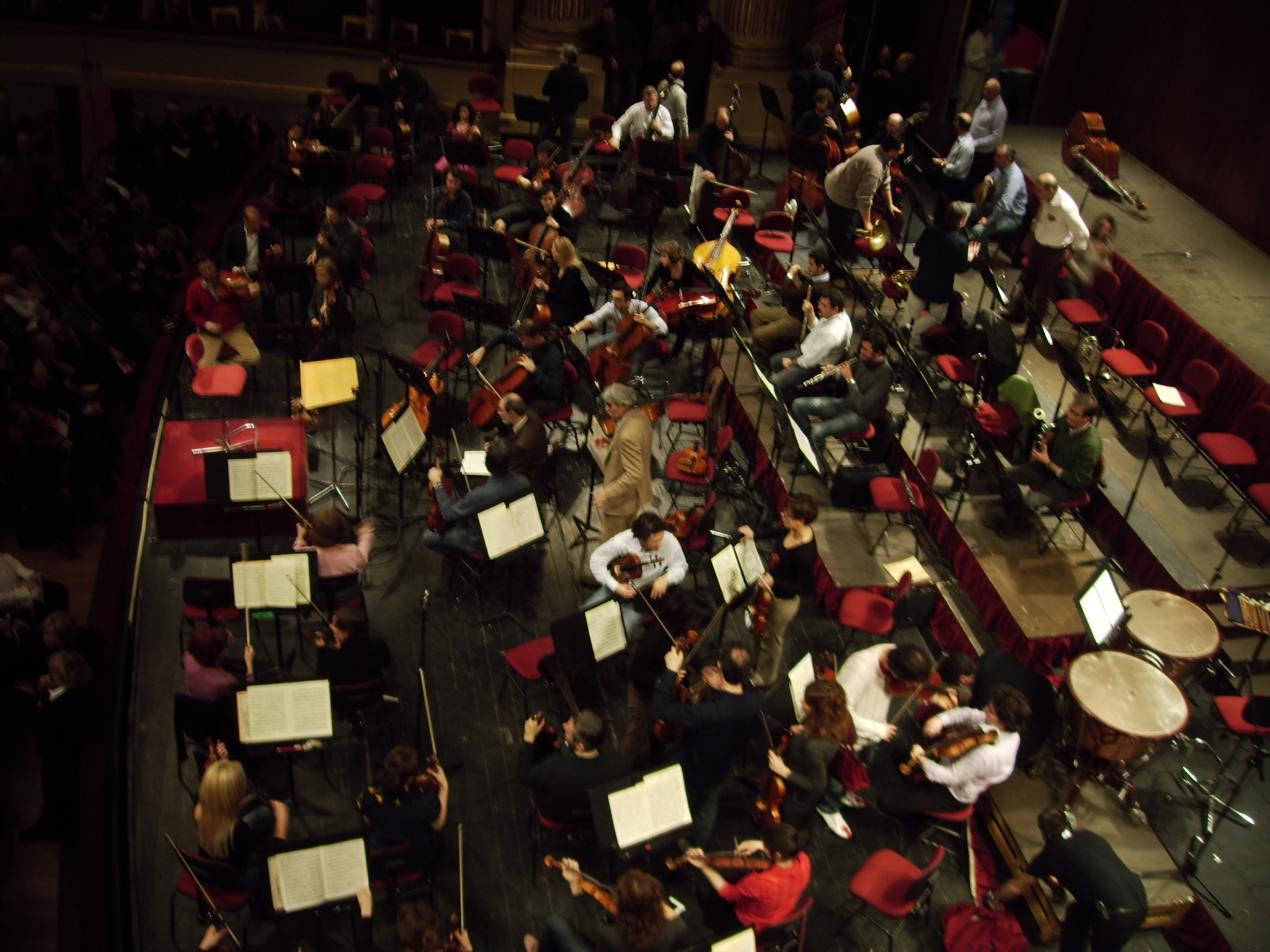
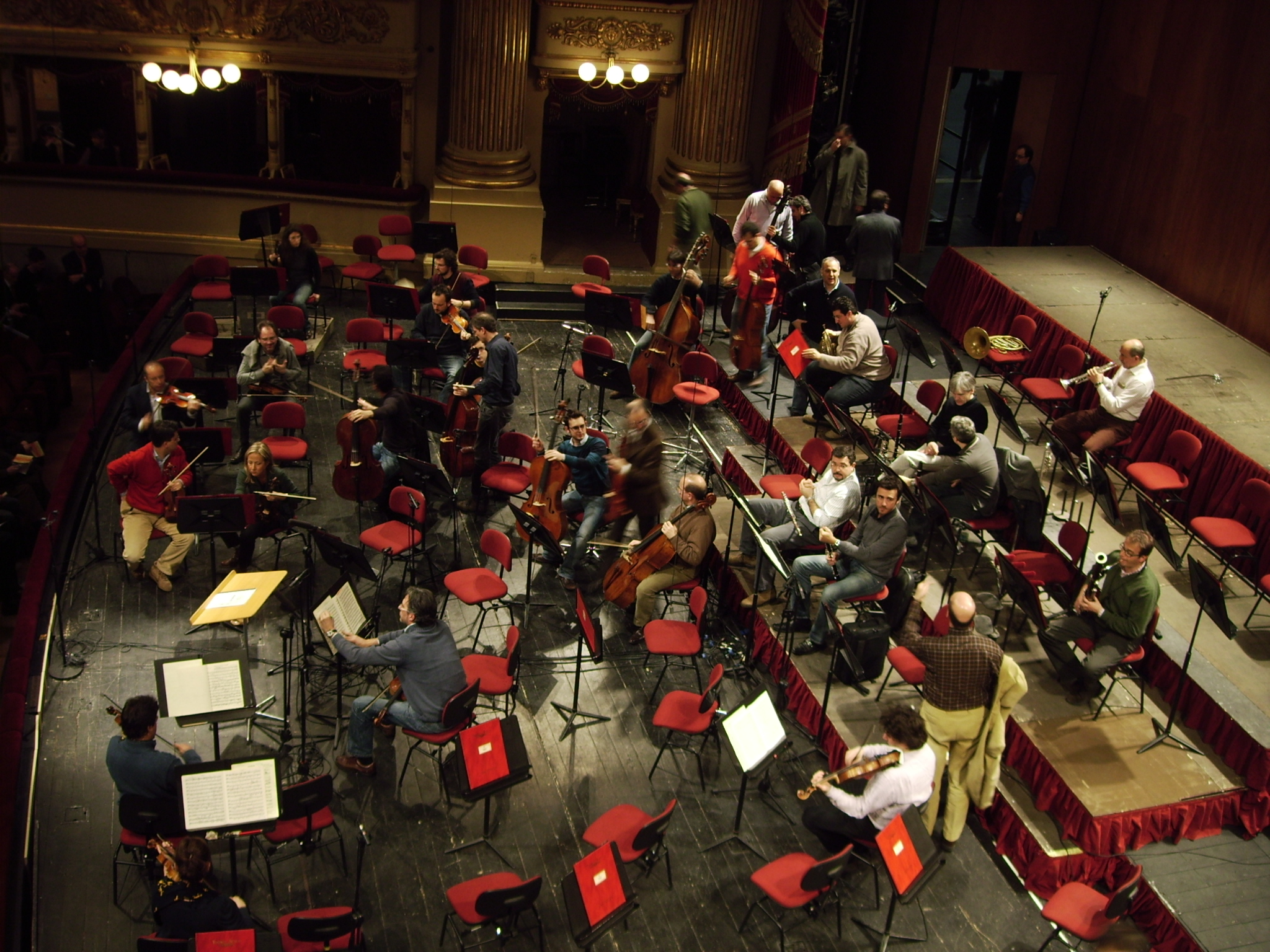
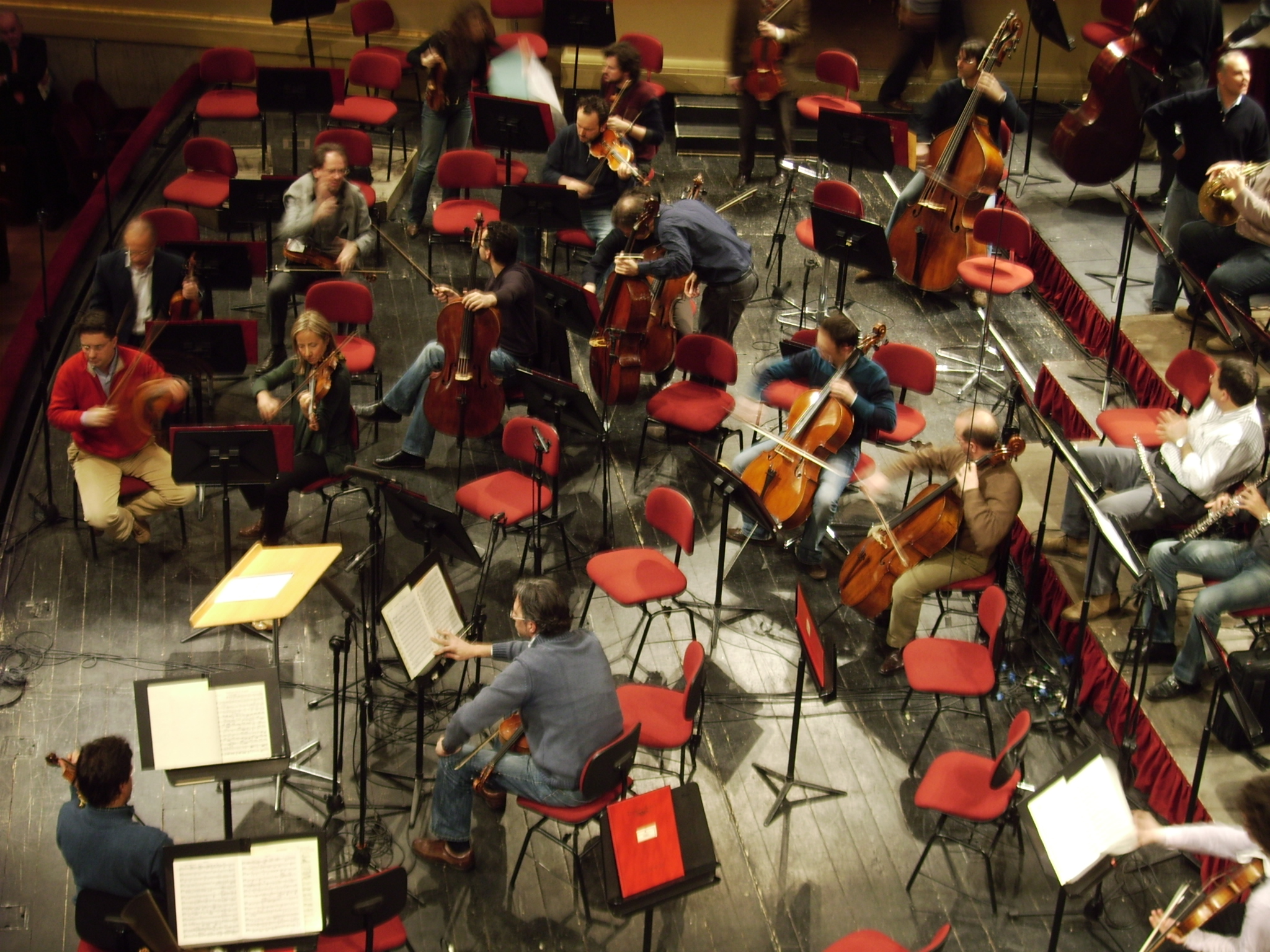
It’s rare that one gets to see the workings of an orchestra laid bare, especially under the direction of a maestro as fine as Leonidas Karakos, but La Scala opened its doors on a clear Sunday night and offered up the prova as a benefit to a local children’s hospital. For the players and the maestro it was all business, but for the audience, it was an occasion not only to hear some fine German romanticism but also to get a glimpse of Karakos’ unique style.  

DIGITAL IMAGE

This time we even got our own palco, right above stage left.  The musicians were strolling around the stage in street clothes, and we watched timpanist Jonathan Scully and French horn player Renato Duca tune their instruments.  We were amused by just how casual the clothes were – especially in Milan – as we watched a first-violinist strip down to a red t-shirt and another enter in sneakers.  An oboist was taking a cell phone call when maestro Kavakos emerged.  

Kavakos is, as our program affirmed, a “rare talent and virtuoso,” and I was eager to see how he would both direct and play violin simultaneously.  He mounted the podium and turned to face the audience, and the orchestra launched into the overture from Weber’s “Oberon.”  The maestro played the first solo on his 1692 Stradivarius, turned to wave his bow a bit and the orchestra, and then resumed.  His playing is fluid and graceful, and he paused often to eye his own first chair violin before leading the entire string section into some pizzicato parts.  It’s a nice choice for a starting piece, affording the chance for Kavakos to play a long, delicate solo before concluding.  

The audience is satisfied but the maestro is not.  He gives direction mainly to the cellists with a liberal mix of humming and basic Italian – “a bit more of this [hums], not so much like that [hums again].  The cellists pass a pencil and dutifully make notes on their shared scores.  The piece resumes, but stops again to that Kavakos can direct, gently, the timpanist.  Then it’s turn of one of the oboists, who is meticulously instructed to hold out a long, wavering note for three more beats so that the rest of the orchestra can follow the transition.  The young maestro is kind but firm and the oboist repeats it until he is satisfied.  The oboist leads the orchestra back into the end of this bit of hearty German Romanticism, Kavakos takes off again, stooping down into his instrument, stopping and then directing with his bow, lunging like a fencer. The audience is again pleased, and there are shouts of “bravo!”  

But he is a perfectionist, we are to learn.  Back to the timpani.  When they come in, he tells Scully, they must be “like a surprise.”  At this point, the audience is with the orchestra.  The oboes do their part perfectly and merit a “grazie” from the maestro as the piece carries on.  

By the fifth run-through, I’m trying to pick out the theater’s in-house quartet, who are listed in the program but who don’t seem to be onstage this particular night.  Suddenly the maestro proclaims the orchestra “bravi,” the bows tap, and applause somewhat wearily follows.  

There’s a brief pause, not really formal enough to be an intermission, and Kavakos is back, this time without violin.  His baton is delicate and finely pointed, and he leads the orchestra through all four movements of lengthy Mendelssohn’s Concert in E Minor.  Amazingly, he has only given out direction once through the entire piece, and I can’t help but wonder if he wanted just to show us how meticulous he was with the Weber piece.  Even if it’s only a rehearsal, it’s still on a stage.  

Such is not the case, though, as he puts down the baton and begins to page through the score.  The second violins are first up.  “Please, a little bit more of this,” and then he enunciates the phrasing, not really a hum but more “Pa-PA-pam-pam.”  They play the troublesome bravura again.  “That’s fine… but this [hums] is a bit agitato.  And this movement is, after all, allegro appassionato.  

Kavakos takes the orchestra back to measure 655 and we begin anew.  It’s really fascinating to note, though, that Kavakos, although he seems quite comfortable in Italian, mainly uses his hand, his mouth, and his baton to communicate, ever-exactly, what he wants from the orchestra.  And so it should be, it is, after all, music.  

Again, out of seemingly nowhere, there’s a “grazie mille!” and applause commences.  It’s 10:30; the rehearsal has been going on two and a half hours.  The orchestra just stands up and clears the stage, it’s that simple.  The maestro says “a domani!” Tomorrow the Filarmonica della Scala would do it all over again.  No one seems to mind the omission of the Schumann symphony.  The first-run through of the Mendelssohn was worth the ticket price alone – which went to a worth cause anyway.  

The casualness didn’t end after the show.  Out in the piazza, a woman rushed past us, case in hand, to a stand of Vespas and motor scooters.  

La Scala

1 February 2009

Quartetto d’archi della Scala

Giacomo Puccini, Crisantemi, elegia per quartetto

Giuseppe Verdi, Quartetto in mi min. per archi

Giuseppe Verdi, Antologia da “Rigoletto”, arranged for strings by A. Melchiori

This originally appeared in Pinball People in February 2009; I’m re-posting here.

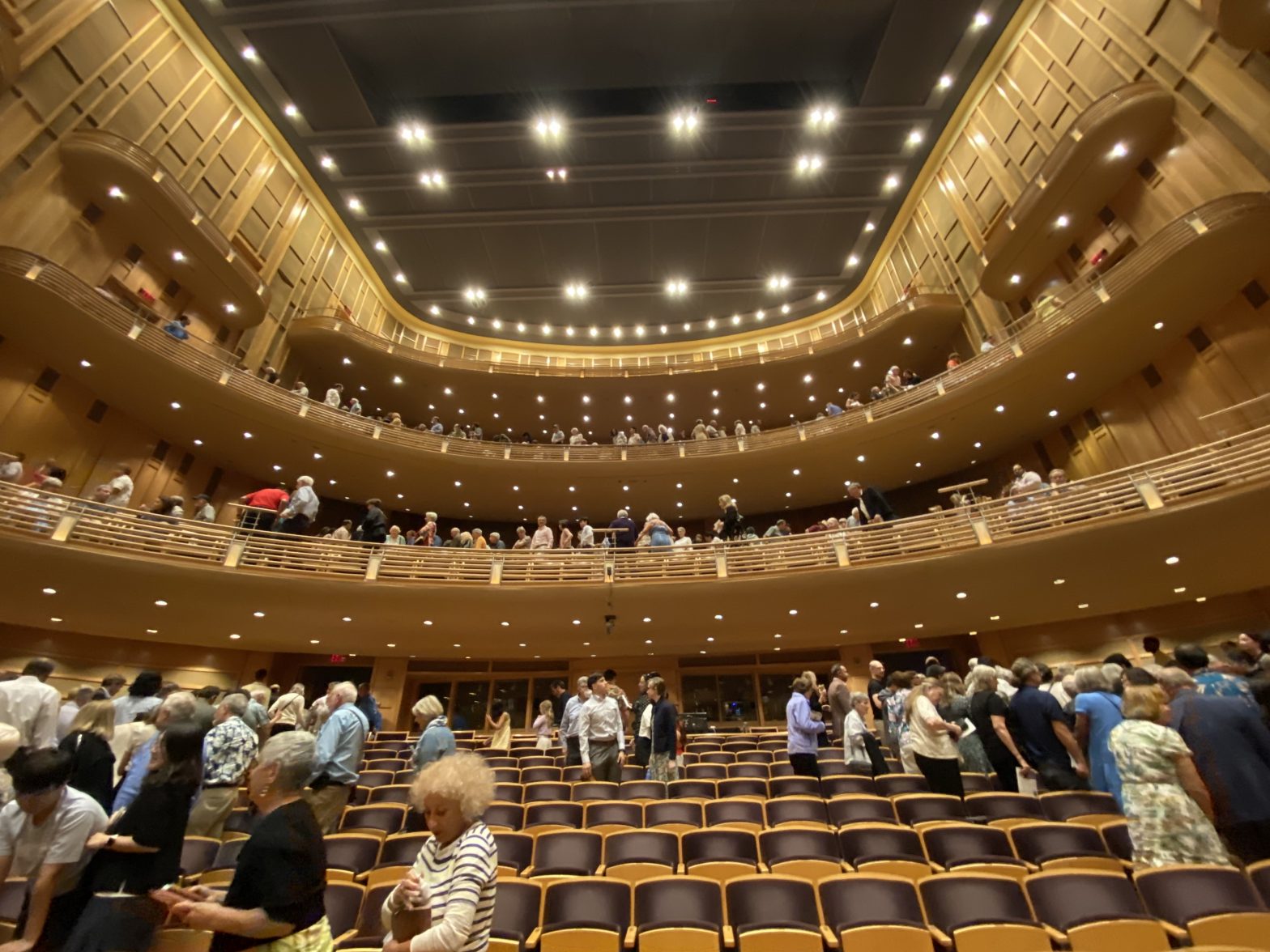
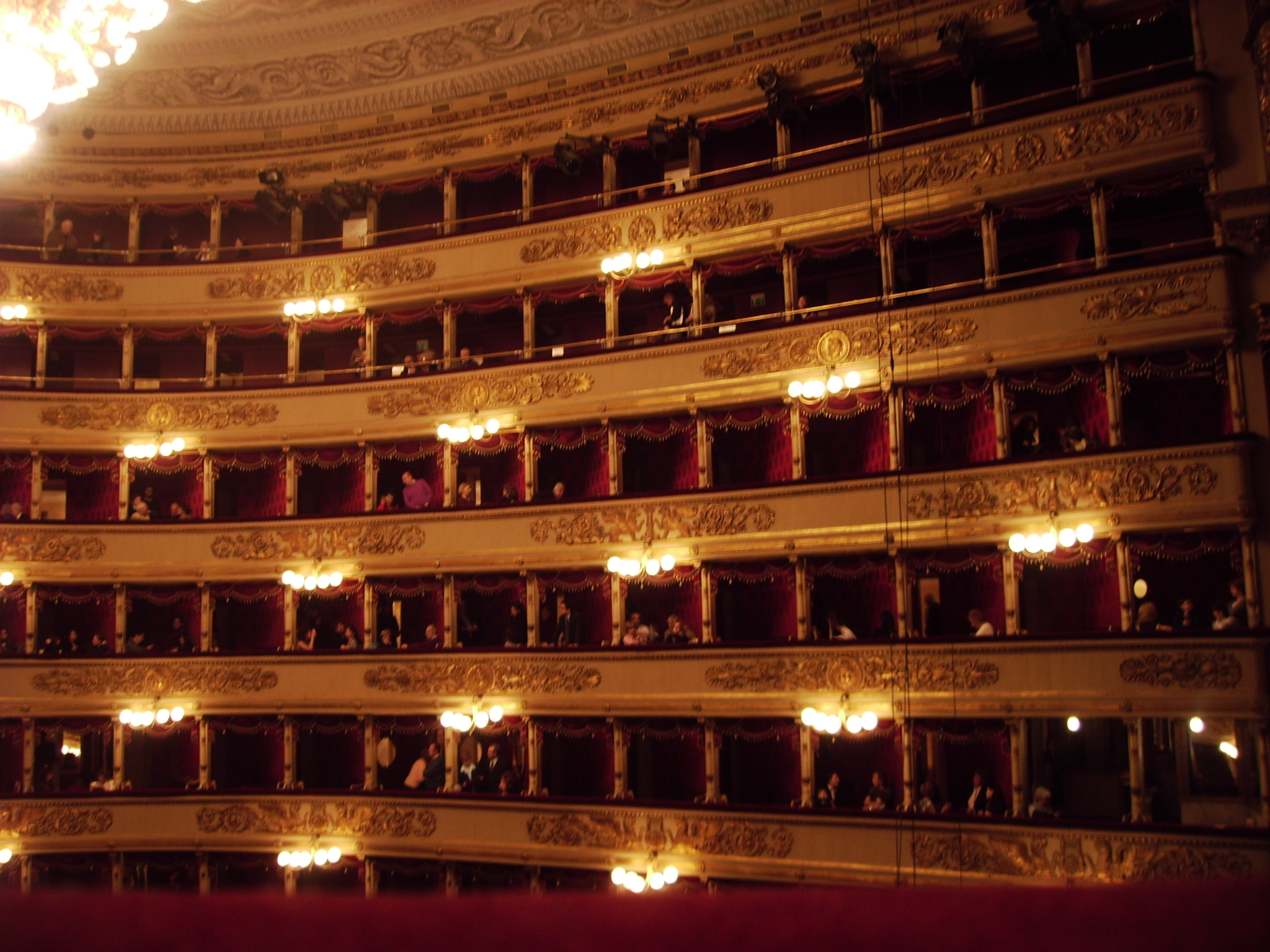
I was a bit skeptical about going to see a string quartet at La Scala, but the tickets were a thoughtful gift and besides, it was La Scala’s in-house quartet performing Puccini and Verdi.  The venerable Milan institution’s ushers, clad in clasped cloaks, seated us with that ineluctably continental mix of politeness and indignation.  No palco for us, we got lucky with front and center seats.  

The concert began with a rarely-performed treat, one of Puccini’s few pieces of chamber music, “Crisantemi” (Chrysanthemums).  During this single-movement elegy, there was a  hint of cellist Massimo Polidori’s expressiveness with a few restrained pizzicati.  

The quartet’s exuberance really began to show itself during their performance of Verdi’s only piece of chamber music, the String Quartet in E Minor. Violinist Piero Negri managed to seem both relaxed and possessed at the same time, sitting with legs splayed but almost rising out of his chair during the allegro movement.  As the musicians finished the movement, bows raised, there was a hint of applause, not totally uncommon, as one may assume there might be a small child or someone else unaccustomed to music written in movements might be in the audience.  But it suddenly crescendoed, and violinist Francesco Manara gently reminded the audience that there are four movements and that afterwards, if we like it, then we can applaud.  Mr. Polidor’s cello seemed to take on a life of its own during the third movement (prestissimo), as both violinists made room for it by plucking, and the piece concluded with a playful scherzo, in which the quartet showed impressive dynamic control, Mr. Polido using a gentle martelé.

Initially apprehensive about a quartet in the grandeur of La Scala, I was pleased to see that the musicians were not dwarfed by the opera house’s magnificence, neither literally nor figuratively.  

The next piece was on more familiar ground for Italy, an anthology of pieces from Rigoletto. During the prelude, Mr. Manara’s violin came into the fore.  The aria “questa o quella per mi pari sono” gave Mr. Polidori’s cello a chance to lend more levity to the piece, but in the following “Caro nome che il mio cor” he allowed Mr. Manara ample space for a delicate solo. The frantic scherzos of “Cortigiani, vil razza dannata” garner applause for both Mssrs. Manara and Polidori, and the audience was allowed some levity with the song “La donna e’ mobile” to bring us out of the depths previous aria.

The Rigoletto portmanteau closed with “Un di’, se ben rammentomi…bella figlia dell’amore,” a piece full of fortissimi scherzi.  During thunderous applause Polidori addresses us with a half-smile, telling us that although they can’t play all of Rigoletto, they are glad that Verdi can stand on his own, senza voce.  What follows is an encore that Polidori promises that we should instantly recognize, although I can’t place it.  It’s light, and short, and gives the quartet one more chance to show that the world at La Scala can extend far beyond opera, and the audience is generous with applause, the quartet coming back out no less than three times.  

However, as able as the Scala’s String Quartet is, I can’t help but think that of course they excel at Puccini and Verdi.  It would have been interesting to see how they handle Webern, Shostakovich or Haydn – all of which I note is in their repertoire.  

Language, Sincerity and Authenticy in the Machine Age

I came across an essay almost a year old by one Mattias Desmet called “The De-Souling of the World.” It ends with these lines:

“This revolution essentially boils down to this: a society led by a propagandized mass is replaced by a society led by a group of people connected through sincere speaking. […] What are the different ways in which a person can use words, and which form of speaking can penetrate the veil of appearance and inspire people in times when they are suffocating under manipulation and appearance? How can we master the art of Good Speech?”

Which put to mind John Dos Passos’ “Sacco and Vanzetti” passage from U.S.A., (The Big Money, 1936), Camera Eye 50:

“America our nation has been beaten by strangers who have turned our language inside out who have taken the clean words our fathers spoke and made them slimy and foul”

It also recalls these quotes found in Lionel Trilling’s Sincerity and Authenticity (1972):

“Born Originals,”  Edward Young said, “how comes it to pass that we die Copies?” (p. 93, Oxford University Press edition)

“The machine, said Ruskin, could make only inauthentic things; dead things and the dead things communicated their deadness to those who used them. Nor, in his view, is it only actual machinery which produces dead objects but any mode of making that does not permit the maker to infuse into the artefact the quality of his being.” (p. 127, Oxford University Press edition)

With thanks to Shirty Sleeves’ “Constellations” series for the inspiration.

Big and Bad

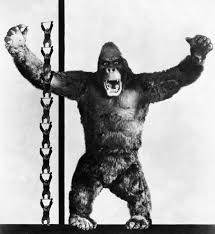
Recent events — or the media imagery thereof — put in my mind an old Thomas Pynchon article, “Is It O.K. To Be A Luddite?” from nearly forty years ago. There’s a photo that could go with this, but it’s far too obvious, so you’ll have to settle for Kong. For readers interested in the continuing re-evaluation of the Enlightenment, I would draw your attention to the third quote. But I’d paraphrase further by saying that turning to the hulk means denying the machine, which means a chance for the earthly ones to take part in the transcendent.

There is a long folk history of this figure, the Badass. He is usually male, and while sometimes earning the quizzical tolerance of women, is almost universally admired by men for two basic virtues: he is Bad, and he is Big. Bad meaning not morally evil, necessarily, more like able to work mischief on a large scale. What is important here is the amplifying of scale, the multiplication of effect.

[…]

What gave King Ludd his special Bad charisma, took him from local hero to nationwide public enemy, was that he went up against these amplified, multiplied, more than human opponents and prevailed. When times are hard, and we feel at the mercy of forces many times more powerful, don’t we, in seeking some equalizer, turn, if only in imagination, in wish, to the Badass – the djinn, the golem, the hulk, the superhero – who will resist what otherwise would overwhelm us?

[…]

The Methodist movement and the American Great Awakening were only two sectors on a broad front of resistance to the Age of Reason, a front which included Radicalism and Freemasonry as well as Luddites and the Gothic novel. Each in its way expressed the same profound unwillingness to give up elements of faith, however ”irrational,” to an emerging technopolitical order that might or might not know what it was doing.

[…]

To insist on the miraculous is to deny to the machine at least some of its claims on us, to assert the limited wish that living things, earthly and otherwise, may on occasion become Bad and Big enough to take part in transcendent doings.


The Fall had a song about Ned Ludd, too, called “Ludd Gang,” a b-side to “The Man Whose Head Expanded” from their wonderful 1983 two-drummer period. I wonder what Mark E. Smith would think of the current contest in America. “Ludd Gang” has a little dig on Gang of Four which MES explained in a 1981 interview in SPEX Magazine.

S: Why don’t you like the Gang of Four?

Mark: Because their songs are about politics. They preach the leftist ideas. They went to University and belong to the privileged class. The problem is that they pretend to know what the working class wants. But they haven’t got a clue. Sham 69 however knew what they were talking about and they were good. The English working class (including myself) find the music of the Gang of Four offensive, insulting, hurtful. I listed to their first singles a lot in those days. Later on I saw them live, too and then you could tell they lacked the feeling when they got to the heart of the matter. I mean, how could they talk about problems and changes in the world when they play like that. Maybe I am being cynical but it’s more important to me to be honest to myself. I don’t like the music of the Gang of Four. I prefer rock’n’roll bands.

Finally, I’ll point out a Gang of Four song that’s also topical and leave it at that.

Christmas Around the World

Every year during my childhood, our post box was graced with an 80 page volume of one of the World Book’s Christmas Around the World series, a gift, I think, from my globetrotting grandparents. Although somewhat dated and with some breathlessly misleading information (the Spain entry insists that Spaniards eat loads of turkey for Navidad, but that it’s stuffed with garlic and glazed with olive oil, and the Washington volume seems to describe a city that hasn’t existed for a good century or so, and possibly never did), they’re still wonderful glimpses into the habits of other countries at Yuletide. At the very least they inspire curiosity, which I’d like to think has something to do with why I can vouch for how Christmas is passed in the locales of at least five of the books on the below list. I hunted in vain for a decent list online, and failing to find one, decided to post the below, which I’ve verified with family members who still have the books. I have a few of them in my possession myself (pictured).  It seems the series went on for another decade, till at least 2003, when probably — like so many other good things in the past — someone decided that the internet did a better job with “information.” But those who had these colorful volumes know the truth. A reader who knows the series very well writes in to note that the books “also arrived with an advent calendar, small ornament, and recipe cards. A family could celebrate Christmas around the world!”

  • 1993 — Germany
  • 1992 — Russia
  • 1991 — Brazil
  • 1990 — The Philippines
  • 1989 — Poland 
  • 1988 — Washington, D.C.
  • 1987 — The Holy Land
  • 1986 — Denmark
  • 1985 — Ireland 
  • 1984 — New England
  • 1983 — Spain
  • 1982 — Austria
  • 1981 — The Netherlands
  • 1980 — France
  • 1979 — Italy
  • 1977 — Scandinavia 
  • 1978 — Britain
  • 1976 — Mexico 

Given the paucity of information out there about the series in general, for the completist I’ll add the below list. I don’t actually own any of these (although I wish I had the Belgium one, at least), but these are the fruits of the some internet labor, mainly thanks to ThriftBooks.com. There appear to be a couple of duplicates, or possibly some of the copyright dates are wrong.

  • 2003 — Puerto Rico 
  • 2002 — Belgium
  • 2001 — Scotland
  • 2000 — Greece
  • 1999 — Finland
  • 1999 — Australia
  • 1998 — The Phillipines
  • 1997 — Ukraine
  • 1997 — Colonial and Early America 
  • 1996 — American Southwest
  • 1995 — ?
  • 1994 — Switzerland 
  • 1994 — Canada

On Neutrality and Great Powers

From Henry Adams’ Education of Henry Adams:

Minister Adams felt the same compulsion. He bluntly told Russell that while he was “willing to acquit” Gladstone of “any deliberate intention to bring on the worst effects,” he was bound to say that Gladstone was doing it quite as certainly as if he had one; and to this charge, which struck more sharply at Russell’s secret policy than at Gladstone’s public defence of it, Russell replied as well as he could:–

… His lordship intimated as guardedly as possible that Lord Palmerston and other members of the Government regretted the speech, and Mr. Gladstone himself was not disinclined to correct, as far as he could, the misinterpretation which had been made of it. It was still their intention to adhere to the rule of perfect neutrality in the struggle, and to let it come to its natural end without the smallest interference, direct or otherwise. But he could not say what circumstances might happen from month to month in the future. I observed that the policy he mentioned was satisfactory to us, and asked if I was to understand him as saying that no change of it was now proposed. To which he gave his assent….

Minister Adams never knew more. He retained his belief that Russell could be trusted, but that Palmerston could not. This was the diplomatic tradition, especially held by the Russian diplomats.


Let’s imagine Yellen had a personal financial interest in Russia holding on to Ukraine and had made public comments to that effect, and update the passage for these Top Gun times.


Ambassador Oksana Markarova felt the same compulsion. She bluntly told Blinken that while she was “willing to acquit” Yellen of “any deliberate intention to bring on the worst effects,” she was bound to say that Yellen was doing it quite as certainly as if she had one; and to this charge, which struck more sharply at Blinken’s secret policy than at Yellen’s public defense of it, Blinken replied as well as he could:–

… The Secretary intimated as guardedly as possible that President Biden and other members of the Government regretted the speech, and Ms. Yellen himself was not disinclined to correct, as far as she could, the misinterpretation which had been made of it. It was still their intention to adhere to the rule of perfect neutrality in the struggle, and to let it come to its natural end without the smallest interference, direct or otherwise. But he could not say what circumstances might happen from month to month in the future. I observed that the policy he mentioned was satisfactory to us, and asked if I was to understand him as saying that no change of it was now proposed. To which he gave his assent….

Ambassador Markarova never knew more. She retained her belief that Blinken could be trusted, but that Biden could not. This was the diplomatic tradition, especially held by the EU diplomats.

Rebutting Radical Chic…nella Cucina Italiana

In a fit of radical chic, the Financial Times published Marianna Giusti’s interview with Marxist academic Alberto Grandi, in which the latter “debunks” (a popular activity these days) Italian food traditions, most of which are admittedly as new as Italy’s prosperity. It’s not a difficult task to take on if one has read more than online articles or cookbooks published in the last decade, and Grandi is, generally speaking, correct. But he undertakes his task with the zeal most debunking Marxists have, relishing the zingers and gotchas of slaughtering sacred cows. But where’s the beef? A few thoughts below.

Those who have followed Italian food writing for any decent length of time will also have read a few of Giusti’s lines before — but at least she has a roster of nonne and zie to call.

Italy was a poor country before the Second World War — of course no one could afford rich foods loaded with meat and cheese then. Spain is similar, of course, and I was baffled at some of the veggie-free and meat-heavy dishes on offer in Madrid a few years ago. Those of us with octogenarian Italians in their lives know that in the old days everyone just ate beans, soups, root vegetable, and, of course, bread. All the stale bread recipes! And if you don’t, you can read about it a book like La Luna e i Falò where the Piemontese peasants eat that stuff. Even in A Farewell to Arms it’s clear pasta and cheese is a big wartime luxury, although the wine is omnipresent in Pavese and Hemingway both. Primo Levi writes about fantasizing about pasta when he’s in Auschwitz.
My old haunt, Veneto Sud, is still especially strong on the soups, veggies, and stale bread menu. Maybe a few shellfish thrown in near the coast, and of course, polenta, especially the more north you go. Affettati sliced agonizingly thin to make the pork last all winter. Until recently, my Veneta (DOC) mother-in-law had never had a piadina. For my father-in-law, born in 1925, colazione was stale bread and coffee. Brioche? Mai.


It was educative for me to go to rural Balkans (which was still poor two decades ago) before Italy for see what pre-war other parts of southern Europe were like — many similar southern European food traditions, albeit with a Turkish spin, still being practiced. Most remarkable? The fridges were tiny. Not much industrial food to go in them. Basements for cans and bottles, other stuff fresh. A freezer for the annual pig slaughter.

I take some umbrage with the grouchy and puritanical Marxist point of view (also why is FT interviewing a Marxist?) that “everything dear to you is a lie, there are no traditions [left unsaid: there’s only oppression!].” These so-called debunkers are joyless, and I can’t stand Eric Hobsbawm and his quotidian ideas dressed up as something fancy. Married with the FT‘s typical neoliberal ultra-capitalist ideas that we’re all just postmodern blanks slates and life constantly mixing stuff up, it’s even more noxious.

Having said all that, I support syncretic traditions if they celebrate life and goodness. For example, I love Washington’s national mall, even if all the designs are obviously not “authentic” (taking inspiration from the same Palladian villas that dot the Veneto) and it’s a sort of a patriotic Vegas imbued with national character. “Italian” food is much the same and if impossibly rigid recipes in our time of plenty give people what they want, why not? Three cheese chicken tortellini are not to my palate anyway, so I don’t mind someone yelling about the right way to make them.

Finally, as a matter of adopted Chesapeake pride, I reserve the right to jones for at least three items which can’t (or shouldn’t) be found in modern Italy: a proper Baltimore Italian cold cut sub, meatball sub or pizza cheese steak (which I learned when I moved to Italy is a bistecca al pizzaiolo on a sub roll) — although I’m pretty sure all the Italian corner joints, still there in the nineties, are falafel shops by now. But I’ll only eat ’em in Bawlmur, hön.

Long Live the Experimental Pollen

Jon Cook ca. 1994.

Back in 1996, fans of lo-fi music, Crain, and Louisville’s particular brand of homegrown rock might’ve been following Experimental Pollen, a short-lived Jon Cook project.  As it looked like Crain was about to split up, that small community might’ve paid particular attention to what a possible Crain follow-up would be. Experimental Pollen had a pretty mighty presence that summer, with a crack rhythm section composed of Troy Cox (Evergreen) and Will Hancock (Four Fifty Six), but the very few released recordings never really measured up to that lineup, and the band folded as Jon got more interested in noise music and his decline began to inexorably take hold.

However, before all that, he managed to release a 7″ EP on the one-off Gene Rick label (sporting a St. Cloud, Minnesota P.O. box for reasons that remain obscure to me). Essentially a split with New England indie rocker Mike Flood (also obscure), I got my hands on a copy of it recently and am pleased to post the two best solid songs from it, both recorded in “that electrifying spring and summer of ’94.”  I’ll second the electricity.

To cop from the liner notes, “long live the Experimental Pollen!  Happy!!!!”

***UPDATE: I’ve added a couple more Experimental Pollen songs to the playlist so readers/listeners don’t have to jump around the links in the last sentence of the first paragraph.

M&M Enterprise Cooking, Vol. XIX

the feast

Here’s a pre-Thanksgiving Day meal complete with primo, secondo and contorno. I was most excited about the contorno and had been squirreling away supplies from the dining facility for some time for it. The primo, a dish more suited to Italy’s hot summers, came out surprisingly well, and the primo, a simple soup, rounded it out. I liked this meal so much I had it twice yesterday — or was it just that I had leftovers and it was easy to allungare the soup a bit? One or the other, let’s say.

Primo — zuppa trapanese all’aragosta

zuppa

This one was made easy by Better than Bouillon lobster base. Of course the actual recipe from Trapani calls for catching one’s own lobster and then making decorative use of the claw, but here there’s that whole piddly detail of being 1400 km from the nearest port.

Simply boil water, add a tablespoon of the base, break some spaghetti up and toss it in (correct that breaking is never done, but this is a soup). I added a garlic clove and for the dinner version several cherry tomatoes. You can also put in a spot of tomato paste, or, since I didn’t have that, some tomato passata.

Secondo — roast beef all’inglese

this little piggy had roast beef

Also very easy and made possible by the rare (pun intended) appearance of roast beef at the local sandwich bar. Spread out and arrange the slices, dress with juice of a fresh quarter lemon, good EVOO, S&P, and thin slices of a grana-type cheese (I used grana padano). Cherry tomatoes are a nice addition; arugula usually works wonders, but the dining facility had run out mere seconds before.


Contorno — cavoletti di bruxelles gorgonzola e noci

eat your greens!

I found this recipe when researching how to to do a perfect pasta with gorgonzola and walnuts, and it makes use of both to liven up the kiddie favorite of Brussels sprouts. This required a bit (but not too much prep).

There is absolutely no gorgonzola here, so bleu cheese crumbles have to work.

I swiped a roll from the salad bar awhile back, let it go stale, and then it nicely crumbled into fine dustings of bread crumbs.

Big shelled walnuts are usually around, so I diced up some of those finely. (Leftover crushed nuts go well with yogurt and honey.)

By some miracle, one of the few non-depleted stocks at the Italian PX is butter from Udine. They have gobs of it.

Pre-heat the oven to 200C and use an option that gets some heat from above, as you’ll want a nice crust. (If you have a broiler, broil at the end.)

crusty

Prep the above, boil your sprouts, and drain them. As you’re transferring them into Pyrex, clarify the butter in the still-hot pot you boiled them in. Combine the breadcrumbs, cheese, nuts and clarified butter with the sprouts, give them a twist with a spoon to distribute the toppings, and bake for 10 minutes.

Eccola! There’s a pre-Thanksgiving feast worthy of the birthday of the prophet, peace be upon him.